
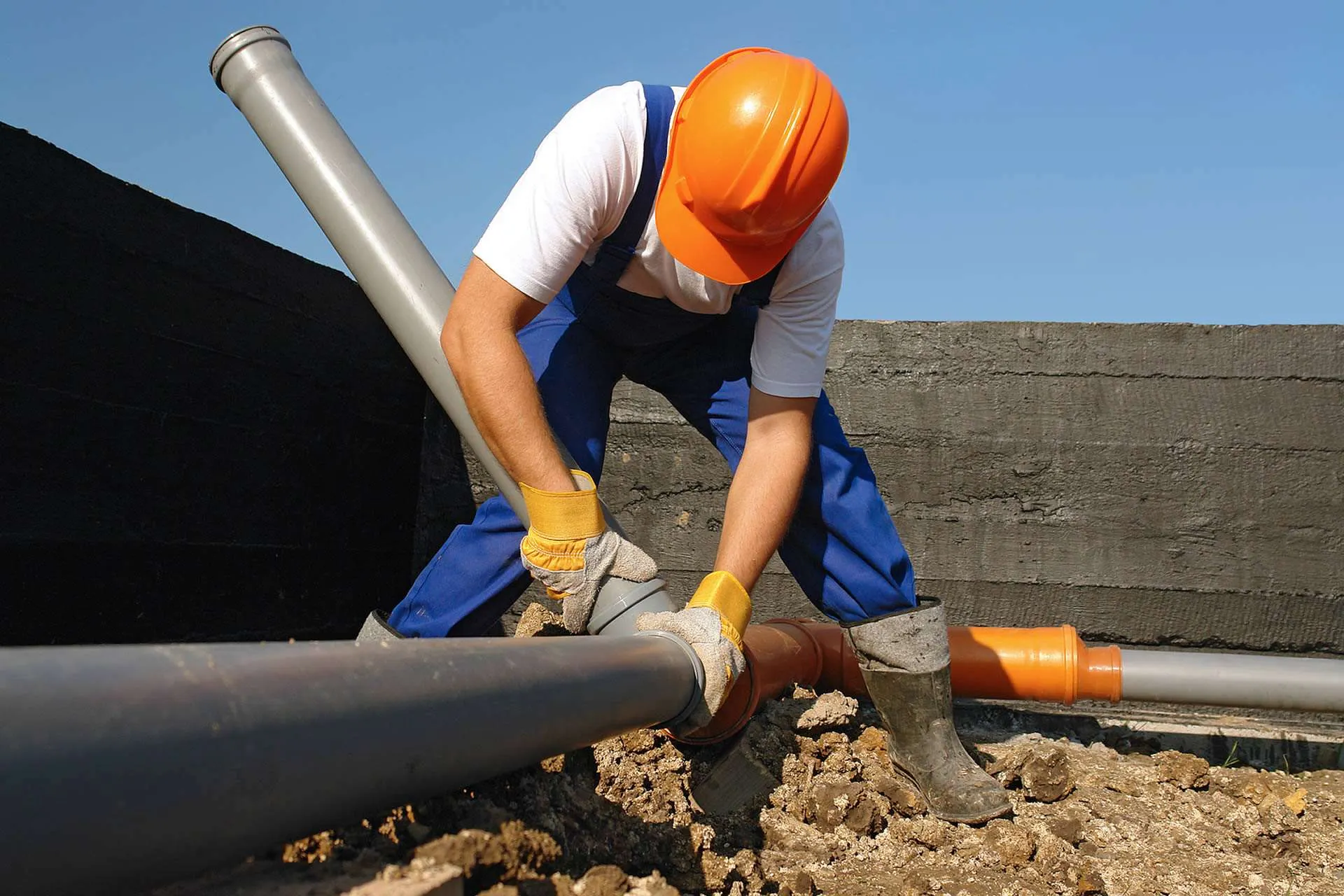
Your home's sewer line plays an important role in carrying wastewater away from your property. Because most of the sewer line is underground, problems can develop without being immediately visible. By the time you notice a serious issue, the damage may already be affecting multiple plumbing fixtures.
For homeowners in Cincinnati, OH, knowing the early warning signs of sewer problems can help you address issues before they lead to extensive damage. Wingate provides professional sewer line services to help identify and resolve sewer line problems.
What Causes Sewer Line Problems?
Sewer lines can experience problems for several reasons. Older pipes may deteriorate over time, while tree roots can grow into small cracks or joints. Ground movement, corrosion, shifting soil, and physical damage can also affect underground sewer pipes.
Blockages are another common concern. Grease, debris, and other materials can accumulate inside sewer lines and restrict wastewater flow.
Because sewer lines are underground, homeowners often rely on changes in their plumbing system to recognize that something isn't working properly.
1. Multiple Drains Are Slow or Backing Up
One slow drain doesn't necessarily mean there's a sewer line problem. However, when several drains throughout your home begin slowing down at the same time, it could indicate an issue farther down the plumbing system.
You might notice slow drainage in the bathroom while the kitchen sink is also having trouble. Toilets may begin draining slowly or water may back up into a bathtub when another fixture is being used.
When multiple fixtures are affected, the problem may be larger than an individual clogged drain.
2. Your Drains Make Unusual Gurgling Sounds
Gurgling or bubbling noises coming from toilets, sinks, or other drains can indicate that air isn't moving properly through the plumbing system.
A blockage or restriction in a sewer line can interfere with normal wastewater flow and cause unusual sounds as water moves through the pipes.
If gurgling occurs frequently and is accompanied by slow drains, backups, or unpleasant odors, it may be time to have the system professionally evaluated.
3. You Notice Persistent Sewer Odors
A properly functioning plumbing system should prevent sewer gases from entering your living spaces.
If you consistently notice a strong sewage-like odor inside your home or around drains, there may be a problem that needs attention.
The cause isn't always a damaged sewer line. A dry trap, damaged plumbing connection, or other issue can also create unpleasant odors. However, persistent smells combined with drainage problems can be a warning sign of a more significant sewer issue.
A professional inspection can help determine where the odor is coming from.
4. Your Yard Has Unusual Wet or Green Areas
Not every sewer line problem happens inside the house.
A damaged underground sewer pipe can allow wastewater to escape into the surrounding soil. Depending on the location of the damage, homeowners may notice unusually wet areas, standing water, or patches of grass that appear significantly greener than the surrounding lawn.
These changes aren't proof of a sewer line problem on their own, but they can be a reason to investigate further—especially when combined with indoor plumbing issues.
If you notice unexplained changes in your yard along with recurring drain problems, professional sewer service can help identify the cause.
5. You Have Frequent Sewer or Drain Backups
Repeated backups are one of the most important warning signs to pay attention to.
A drain or toilet that backs up once may have a localized blockage. When backups happen repeatedly, however, there may be an underlying issue that needs to be addressed.
A professional plumber can determine whether the problem is caused by a stubborn blockage, damaged sewer pipe, root intrusion, or another issue.
Ignoring recurring backups can increase the chance of wastewater entering areas of your home where it can cause extensive cleanup and property damage.
Sewer Repair vs. Sewer Line Replacement
Not every sewer problem requires complete replacement.
Depending on the condition of the pipe, the location of the damage, and the cause of the problem, a professional may recommend sewer repair rather than replacing the entire line.
In some situations, a damaged section can be repaired. More extensive deterioration may require sewer line replacement.
The right approach depends on the condition of the existing system, which is why professional evaluation is important before deciding how to address the problem.
Why Early Sewer Repairs Matter
Sewer problems generally don't disappear on their own. A minor restriction can become a significant blockage, while a small crack can potentially allow water and soil to enter or wastewater to escape.
Addressing warning signs early can help homeowners understand what's happening before the issue becomes an emergency.
Regular attention to your plumbing system can also make it easier to identify changes in drainage, odors, or water flow.
When Should You Call a Professional?
If you experience multiple slow drains, repeated backups, persistent sewer odors, unusual plumbing sounds, or unexplained wet areas in your yard, it's worth having your plumbing system evaluated.
Trying to repeatedly clear the symptoms without addressing the underlying problem can leave the actual issue unresolved.
Wingate can help Cincinnati homeowners identify potential sewer problems and determine whether sewer repair, drain cleaning, or another plumbing service is appropriate. Contact Wingate to discuss your plumbing concerns.
Protect Your Cincinnati Home From Sewer Problems
Your sewer system is easy to overlook because most of it is hidden underground. Paying attention to changes in your plumbing can help you recognize potential problems before they become major disruptions.
If your Cincinnati, OH home is experiencing recurring backups, slow drains, sewer odors, or other warning signs, professional evaluation can help determine what's causing the issue.
Wingate provides dependable plumbing and sewer services to help homeowners keep their wastewater systems functioning properly.